
Chiropractic Care vs. Surgery for Lumbar Disc Herniation: Which Is the Better Option?
Lumbar disc herniation is one of the most common causes of lower back pain, radiating leg pain, and even numbness or weakness. When a spinal disc in the lower back bulges or ruptures, it can put pressure on nearby nerves—often leading patients to believe surgery is the only solution. However, for many people, chiropractic care offers an effective, non-invasive alternative that can relieve pain and restore function without the risks and downtime associated with surgery.
Understanding Lumbar Disc Herniation
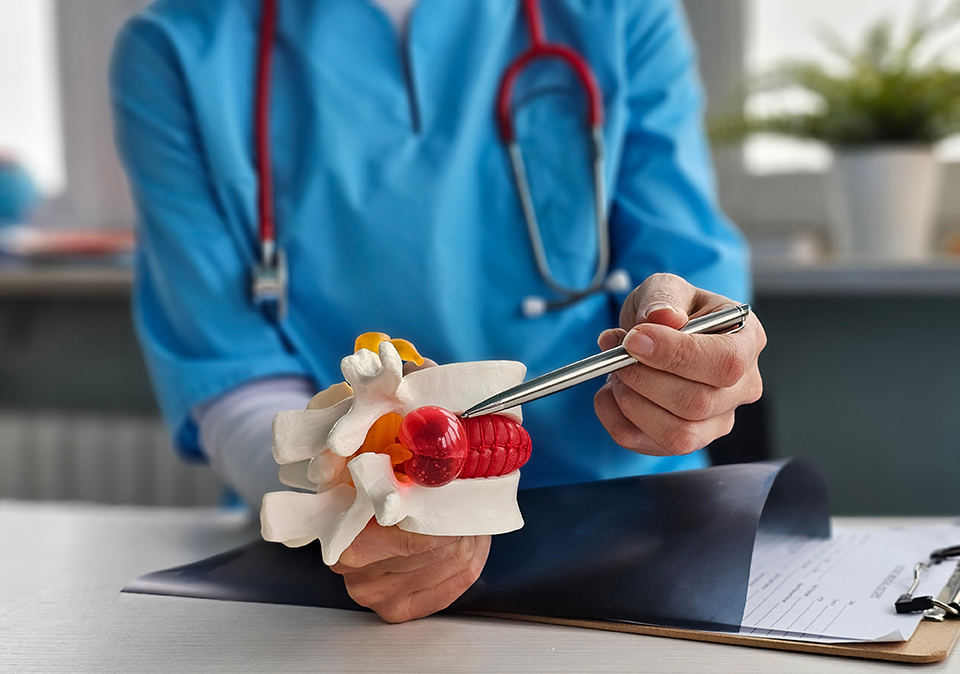
Between each vertebra in your spine lies a cushion-like disc that absorbs shock and allows flexibility. When part of that disc protrudes or “herniates,” it can compress the spinal nerves in the lumbar (lower back) region. This can cause symptoms such as:
- Sharp or burning pain in the lower back or leg
- Tingling, numbness, or weakness down one side
- Difficulty bending, sitting, or lifting
While severe cases may require surgery, many herniations can heal naturally with the right conservative care—and chiropractic adjustments can play a key role in that process.
Chiropractic Treatment for Lumbar Disc Herniation
Chiropractic care focuses on restoring proper alignment and motion to the spine, which can help reduce the pressure on the affected disc and nerves. Techniques may include:
- Spinal adjustments to correct misalignments and improve joint mobility
- Flexion-distraction therapy to gently decompress the spine
- Targeted exercises and stretches to strengthen the core and support healing
- Lifestyle and posture guidance to prevent future flare-ups
By reducing inflammation and improving spinal mechanics, chiropractic care can often relieve pain and promote healing without medication or surgery. Many patients experience improved range of motion, less nerve irritation, and better overall function.
When Surgery May Be Necessary
In some cases—such as severe nerve compression, loss of bladder or bowel control, or lack of improvement after conservative care—surgery may be necessary to remove or repair the damaged disc. However, it’s important to explore non-surgical options first, as surgery carries risks like infection, scar tissue, and lengthy recovery times.
The Safer, Smarter First Step
If you’re struggling with a lumbar disc herniation, chiropractic care can be a highly effective first line of treatment. At Family Chiropractor NJ, we evaluate each patient individually to determine the safest and most effective care plan. For many, gentle chiropractic adjustments can help relieve pain, restore mobility, and prevent future injury—without the need for surgery.
Click here to contact Family Chiropractor N.J. or feel free to call (201) 995-9900