
The Mind and Spine Are Linked
Brain fog feels like thinking through cotton. You forget why you walked into a room, lose track of conversations mid-sentence, and struggle to focus on important tasks. Most people blame sleep deprivation or too much screen time — and those factors matter — but stress and spinal tension create a powerful cycle that many busy families overlook.
When you’re under prolonged stress, your body enters a protective mode. Your nervous system tightens muscles in the neck, shoulders, and upper back as part of the fight-or-flight response. This muscular tension isn’t just uncomfortable; it restricts blood flow to the brain and affects the nerve signals that keep your mind sharp. The result is a foggy, scattered feeling that caffeine alone won’t fix.
Spinal Tension Amplifies Brain Fog
Your cervical spine — the seven vertebrae in your neck — is a gateway for blood vessels and nerves that feed your brain. When stress causes the muscles surrounding these vertebrae to clench and tighten, several things happen:
- Blood flow decreases. Oxygen and nutrients reach your brain more slowly, leaving you feeling mentally sluggish and unable to concentrate.
- Nerve function suffers. Tension and misalignment can compress or irritate nerves that coordinate communication between your spine and brain.
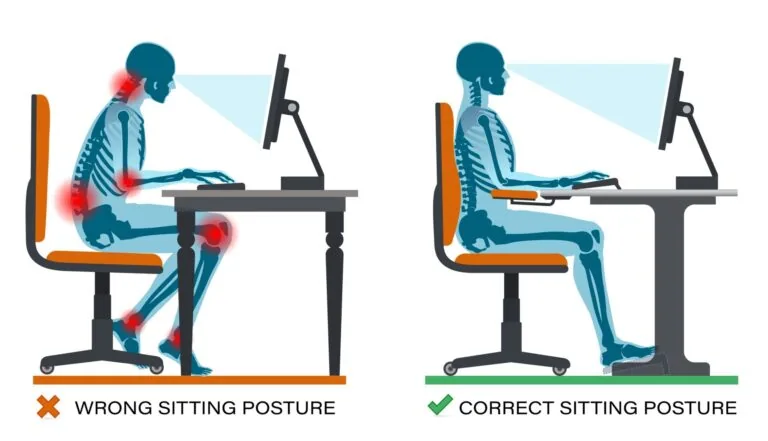
- Posture deteriorates. Stress-induced slouching — hunching over a desk, pulling your shoulders toward your ears — worsens the problem and creates a feedback loop that deepens both tension and mental cloudiness.
For busy parents and professionals juggling multiple demands, this cycle becomes a trap: stress triggers tension, tension triggers fog, and fog makes it harder to manage the very stressors causing the problem.
Releasing Physical Tension to Clear Your Mind
Chiropractic adjustments at Family Chiropractor NJ target misalignments and muscle tension in the cervical and thoracic spine — the exact regions that tighten under stress. By restoring proper alignment and releasing muscular tightness, adjustments improve blood flow, reduce nerve compression, and allow your nervous system to shift out of high-alert mode.
Many patients report clearer thinking and improved focus within days of starting treatment. You’re not just feeling less achy; your brain is receiving better blood supply and clearer nerve signaling. This physical reset gives your mind the support it needs to handle stress more effectively.
Wellness Habits That Complement Spinal Care
Chiropractic adjustments work best alongside lifestyle changes that reduce stress and support spinal health:
- Regular movement. Short walks, gentle stretching, and activities you enjoy reduce muscle tension and clear mental fog naturally.
- Mindful posture. Checking in throughout the day — sitting upright, relaxing your shoulders, keeping your screen at eye level — prevents the stress-slouch that compounds tension.
- Infrared sauna sessions. Heat therapy relaxes tight muscles, improves circulation, and supports your body’s stress-recovery process, leaving you mentally refreshed.
- Sleep and breathing. Deep breathing exercises and consistent sleep schedules calm your nervous system and reduce the physical grip of stress on your spine.
Brain fog from stress and spinal tension is frustrating, but it’s also reversible. By addressing the physical component — the tightness restricting blood flow and nerve function — you interrupt the stress-fog loop and give your mind the clarity it needs to face daily demands. Whether you’re a parent managing household chaos, a professional navigating deadlines, or a caregiver balancing competing needs, your spinal health directly affects your cognitive performance.
If you’ve noticed brain fog alongside neck tension, shoulder tightness, or postural strain, an evaluation from Family Chiropractor NJ can identify whether spinal misalignment is playing a role. A clear spine supports a clear mind — and that makes all the difference.
Call (201) 995-9900 or visit our contact page.