
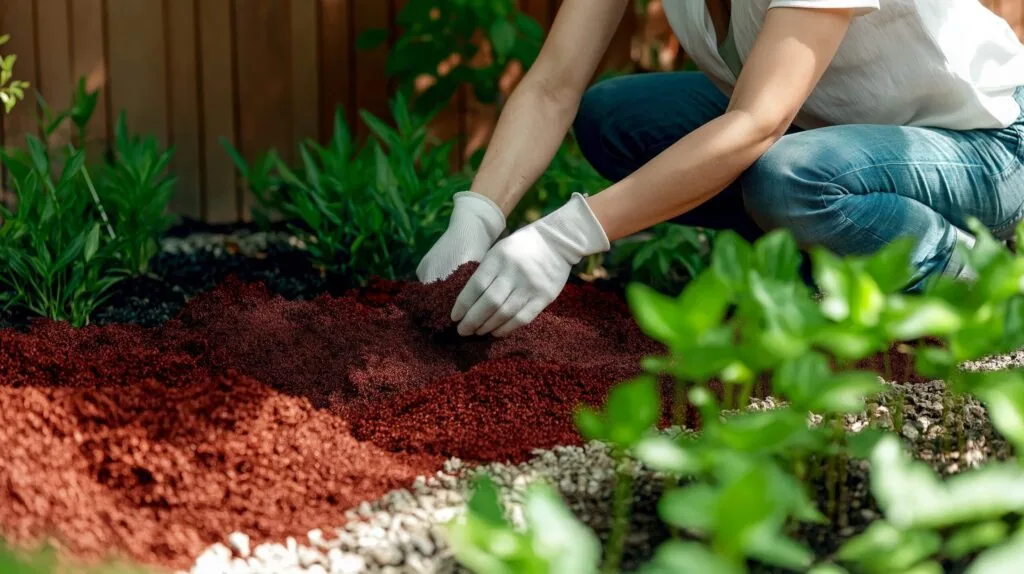
Diastasis Recti and Gardening
Understanding Diastasis Recti and Core Function
Diastasis recti—the separation of your abdominal muscles during pregnancy—is a normal part of carrying a baby. The two vertical bands of muscle (the rectus abdominis) stretch and separate to make room for your growing uterus. After delivery, these muscles gradually come back together, but the process takes time and intentional care. This abdominal separation directly affects your core stability, which is essential for activities like gardening that involve bending, twisting, and repetitive digging.
When your core is compromised, movements that seem simple—like reaching down to plant seedlings or lifting a bag of soil—can strain the healing tissue and slow your recovery. Understanding how diastasis recti impacts your body helps you garden safely and protect the progress your abdominal muscles are making.
How Gardening Stresses Your Healing Abdomen
Gardening involves several movements that challenge a postpartum core. Bending forward repeatedly, twisting your torso while holding garden tools, and lifting heavy objects all place direct stress on your abdominal wall. Without adequate core support, the connective tissue between your abdominal muscles—already stretched and healing—can experience unnecessary tension.
The risk is highest in the first 8–12 weeks postpartum, when the muscles are still in early stages of recovery. Aggressive gardening during this window can widen the separation, increase bloating or heaviness in the abdomen, or cause lower back pain as your spine compensates for weak core support.
Modifications to Protect Your Healing Muscles
The good news: you don’t have to give up gardening during your postpartum recovery. Smart modifications allow you to enjoy yard work while protecting your abdominal muscles.
- Engage your core consciously. Before bending or lifting, gently brace your abdominal muscles. Think of drawing your belly button toward your spine without holding your breath. This bracing provides internal support and reminds your body to use your core.
- Avoid heavy lifting. Limit loads to what feels manageable—typically 10–15 pounds in early recovery. Break larger tasks into smaller steps rather than lifting one heavy bag of soil.
- Bend at your knees, not your waist. Squat or lunge instead of folding forward at the hips. This distributes effort across your legs and reduces strain on your abdominal wall.
- Limit repetitive twisting. Planting in rows requires turning your torso repeatedly. Take frequent breaks and reposition your body instead of twisting to reach.
- Use tools that reduce bending. Long-handled tools, raised garden beds, and kneeling pads minimize deep forward bending and make work more ergonomic.
- Wear supportive clothing. A postpartum support band or compression wear can provide external stability while your core heals, making gardening feel less taxing.
When to Seek Professional Guidance
Chiropractic care during postpartum recovery supports spinal alignment and core function. A chiropractor can assess how your spine and pelvis have shifted during pregnancy and delivery, then use gentle adjustments to restore proper alignment. When your spine is well-aligned, your core muscles work more efficiently, which accelerates recovery from diastasis recti and makes physical activity feel easier and safer.
If you experience pain, heaviness, bulging, or visible separation when you engage your core, talk to your healthcare provider or a specialist trained in postpartum recovery. A pelvic floor physical therapist can evaluate the degree of separation and recommend targeted exercises to close the gap. These experts work alongside your chiropractor to ensure your whole body—spine, pelvis, and abdominal muscles—heals as one integrated system.
Timing Your Return to Full Gardening
Most postpartum women can begin light gardening around 6–8 weeks after delivery, assuming a straightforward recovery. Gradually increase intensity and duration as your strength returns. By 3–4 months, many moms with proper support and care can return to normal yard work. The timeline varies based on the severity of your separation, your fitness before pregnancy, and how consistently you’ve been working on core recovery.
Listen to your body. If gardening causes pain, bulging, or a feeling of instability, it’s a sign to ease back and seek guidance. Recovery isn’t a race—protecting your healing abdominal muscles now means returning to full activity comfortably and confidently later.
Ready to talk? Call (201) 995-9900 or visit our contact page.