
Feeling stiff is not feeling well
Even if we don’t have a tool to measure it with, everyone knows what it feels like to be stiff. It’s uncomfortable, it might even be a little bit painful, and when it occurs regularly, we generally look to the muscles for answers.
Knots, trigger points, tight balls of pain
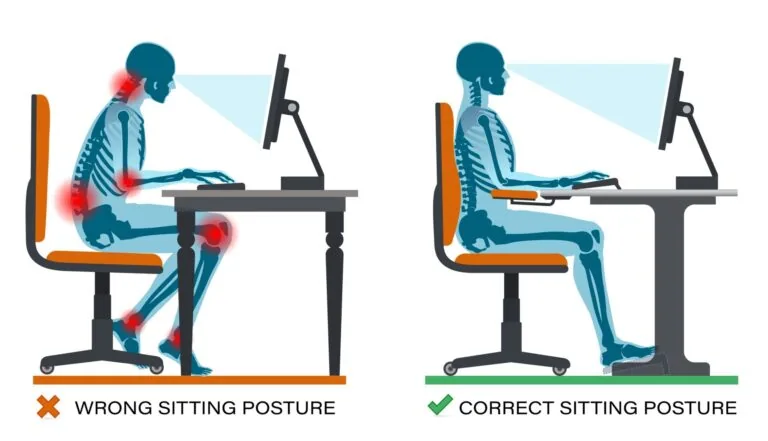
Whatever your name for them, they indicate a malfunction in the musculature. Remaining motionless for long periods of time (especially sitting) keeps some muscles constantly contracted and others completely disused. This constant contraction is what often develops into tight balls of pain and we feel tight. Your muscles are also being trained to resist elongation, perpetuating the problem further. The next time you go to activate the muscle, you feel stiff.
Stiffness doesn’t mean there is something wrong with your range of motion.
Because the range of motion is the metric most people rely on for measuring potential movement, conversations regarding stiffness are quite often misguided in the direction of the range of motion. Being stiff doesn’t mean you automatically have a poor range of motion: you could have an excellent range of motion and still feel stiff. When our muscles are trained a certain way and we ask them to perform an opposing motion, they are bound to feel tight.
We want to make stiff and tight the exception, not the rule!
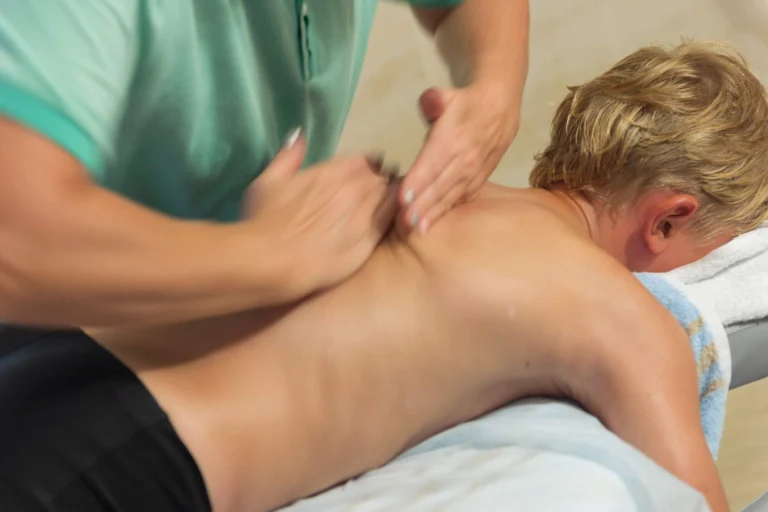
We identify muscles that have become excessively contracted and release them from their state of chronic tightness with trigger point therapy. By dispelling stiffness and pain, we allow you to focus on stretching and strengthening the key muscle groups that will help you stay free of pain throughout a day of sitting.